our apparel carries language,
so should you.
Our languages belong in our homes, on the land and in everyday conversations. Every Cree word on Kitaskinaw apparel carries a teaching beyond its translation, inviting us to learn, speak and carry our languages forward.
sharing is important.
Fluency is a lifelong journey, one that may never truly end, but always begins somewhere. Every word is a beginning.
-
How to say it: kih – TAS – kih – naw
Word: Kitaskinaw
Meaning: Our LandCree syllabics are one of the ways our language is written. Each character represents a sound, allowing our words to be read and spoken in our own writing system.
Featuring syllabics on our apparel is a way of making our language visible in everyday spaces. For generations, our languages were discouraged and suppressed through colonial institutions. Today, wearing and learning our writing systems is one way of reclaiming that visibility.
But recognizing the characters is only the beginning. We encourage you to learn how to read them, speak the words aloud and share them with others.
The teaching: Our language deserves to be seen, heard and spoken.
-
How to say it: kih – TAS – kih – naw
Syllables: ki – tas – ki – naw
Meaning: Our LandKitaskinaw is a reminder that we share relationships and responsibilities with the land beneath our feet.
Wherever we travel, we should recognize the Indigenous territories we are entering, acknowledge the peoples who have cared for those lands for generations and honour the Treaty relationships that continue today.
To walk in a good way on Mother Earth means more than appreciating the land. It means respecting the water, plants, animals and all living things that sustain us. It means remembering that our actions today affect the generations coming behind us.
The teaching: Know whose land you're on, walk gently and honour your responsibilities to Mother Earth.
-
How to say it: kih – SAY – wah – tih – sih – win
Syllables: ki – sê – wâ – ti – si – win
Meaning: Kindness, compassion; a teaching of being gentle and great.Kisêwâtisiwin is one of the teachings at the heart of Kitaskinaw Learning.
In the teachings I carry, kindness is an energy gifted to us by Creator. It reminds us to be gentle with ourselves, compassionate toward others and respectful of the land and everything that lives upon it.
Kindness is not weakness. It takes strength to forgive, patience to understand and courage to help someone without expecting anything in return.
We all carry different experiences and struggles. Kisêwâtisiwin reminds us that how we treat one another matters, particularly when someone is having a difficult time.
The teaching: Be gentle with yourself, kind to others and generous with what you have.
-
How to say it: ah – gah – PAS – kwah
Syllables: a – gah – pas – kwa
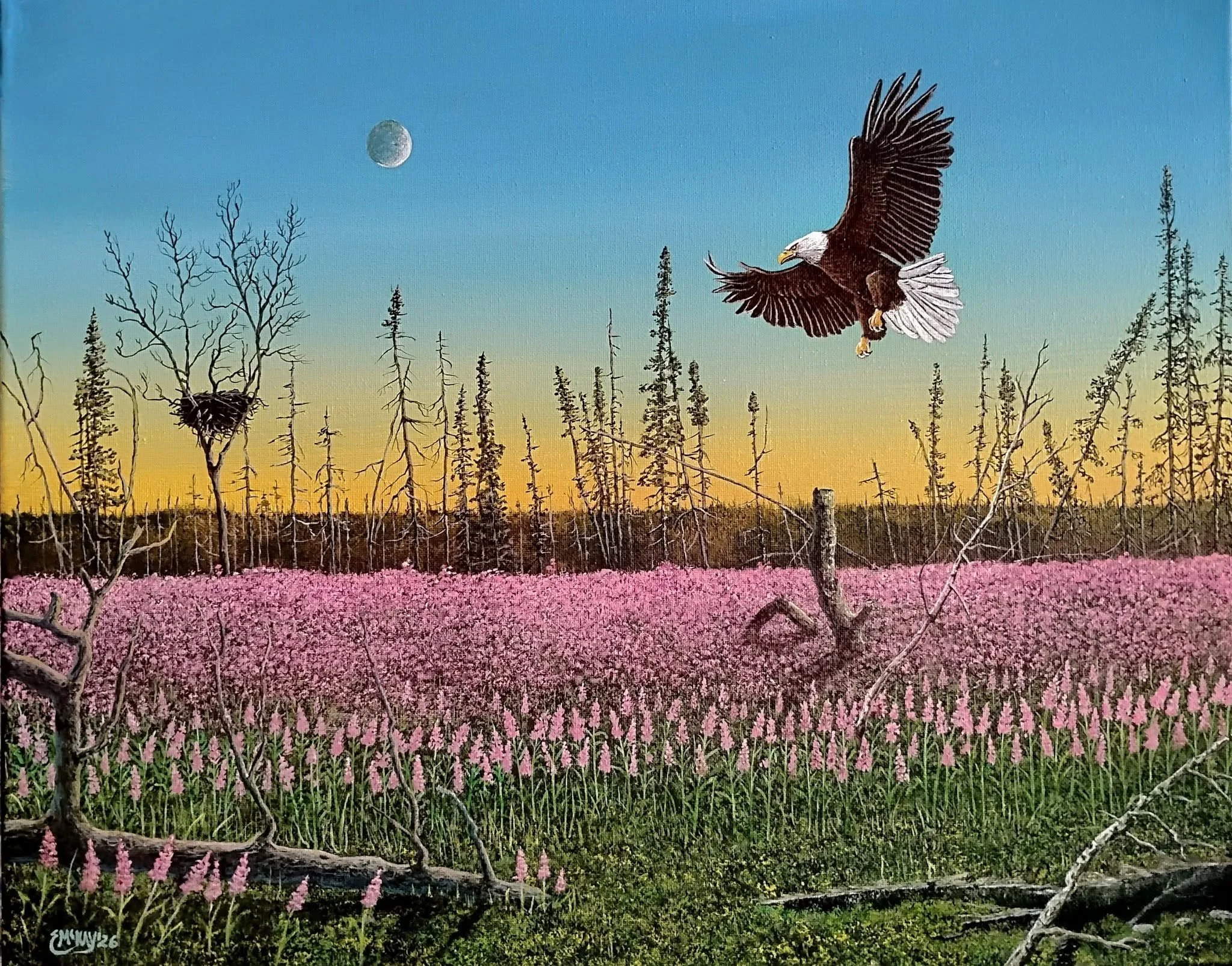
Meaning: Fireweed — a teaching of renewal, healing and sharing.Agahpaskwa, fireweed, is our signature teaching and medicine at Kitaskinaw Learning.
Fireweed is often among the first plants to return after the land has experienced fire or disturbance. Where something has been lost, new life can begin to grow.
For us, fireweed represents the strength to pick ourselves up after difficult experiences. But its teaching doesn't end with our own healing. It reminds us that when we find our footing again, we have responsibilities to help others.
We can become teachers by sharing what we've learned, helpers by offering what we have, and healers through the care we show our families and communities.
Like fireweed, we can grow through difficult circumstances while helping create the conditions for others to grow alongside us.
The teaching: Pick yourself up, help others find their strength and share what you can.
-
How to say it: kos – koh – nah | pih – kis – kweh – win
Syllables: kos – ko – nah | pi – kis – kwe – win
Meaning: It's Time to Wake Up Our LanguagesOur languages carry more than words. They carry our humour, relationships, laws, stories and ways of understanding the world around us.
For generations, colonial policies disrupted the passing of Indigenous languages from grandparents and parents to their children. Many of our families continue to live with the consequences of that interruption.
But our languages are still here.
Waking up our languages begins with making space for them again. It might mean learning your first Cree word, speaking with an Elder, teaching your children or finding the courage to practise even when you make mistakes.
Language revitalization doesn't belong to one person or one generation. It is a responsibility we share.
The teaching: Speak what you know, learn what you can and help wake up our languages for the generations coming behind us.